아메리카 앨리 거기에 있고, 당신의 무/의식 속에 있고, 김동령의 이미지 속에 있는 ‘그런데 거기가 어디지?’
김영옥 (이화여대 한국여성연구원 연구교수)
1. 껌딱지
나는 한 번도 동두천에 가 본 적이 없다. 그러나 동두천, 혹은 그곳에서 일하는 여성들과 거의 동거동락하는 여성 활동가들의 모임인 두레방에 대한 이야기는 늘 듣고 살았다. 그렇다, 어느 정도는 ‘듣고 살았다’라고 말하는 게 맞을 것이다. 여성주의로 삶을 조직하고 해석하면서 페미니스트라는 이름으로 사는 사람들에게 동두천이나 두레방, 혹은 성매매, 드링키 걸 등의 이름, 명사, 대명사 등은 작고 새까만 ‘껌딱지’처럼 의식/무의식에 달라붙어 있다. 껌딱지가 가리키는 지점을 확인하기 위해 ‘현장’을 찾는 일은 없다 해도, 그 껌딱지와 함께 현장을 자신들의 일상에서 느끼며 경험하며 산다. 그러나 ‘이’ 현장은 어떤 형태로든 현장에서 살고 있는 사람들의 ‘그’ 현장과는 분명 다를 수밖에 없다. 이 두 현장 간의 유사성과 간극을 감지하고 늑골이 뻐근하도록 성찰하게끔 만들어 주는 이미지들이 바로 김동령의 작업들이다.
그녀 자신은 인식 못할 수도 있는데, 김동령은 말하는 도중 ‘껌딱지’라는 단어를 드물지 않게 사용한다. 카메라를 들고 동두천에 들어간 이래 그녀의 의식/무의식을 교란시키던 무수한 질문들, 망설임들, 감정의 고저들은 그렇게 그녀에게 착 달라붙어 있는 껌딱지로 그 외상적 모습을 드러내고 있는 것일까. 그녀가 동두천에서 ‘위기 개입’의 활동가로, 동시에 카메라를 든 여성으로 지내는 동안 그녀는 점점 더 이 ‘카메라를 든’이라는 조건이 어떤 경계선 같은 것이라는 인식이다. 동두천에서 삶을 꾸려나가는 여성들과의 관계에서 그녀의 언어를 어눌하게 만들고 몸을 허둥지둥하게 만드는, 너무나 낮게 땅 위에 걸쳐져 있어 자꾸 넘어지게 만드는. 지속적으로 질문을 수정하고, 그 수정된 질문에 대한 답을 또 부인하게 만드는. 3 년이 넘도록 그곳에서 작업을 해 왔지만 원했던 장편 다큐를 완성시키지 못한 그녀의 망설임과 ‘어리석음’은 그래서 소위 사진, 혹은 비디오 아트라는 장르의 관점과 여성주의 운동이라는 실천의 관점을 충돌시키면서, 그리고 그 둘 사이의 경계를 동요케 하면서 관람객들의 의식/무의식에 껌딱지가 들러붙게 만든다.
2. 이상한 나라의 엘리스
몇 가지의 질문들. 동두천은 이상한 나라인가. 그곳에서 일하는 여성들은 엘리스인가. 그렇다면 이상한 나라 동두천에서 이상한 것은 무엇인가. 이상한 나라에서 꾸는 엘리스의 꿈은 이상한 나라보다 더 이상한 나라의 음화인가, 아니면 ‘이상하지 않은’ 나라의 음화인가.
김동령의 비디오 작업 <이상한 나라의 엘리스>는 우리가 알고 있는 소설 <이상한 나라의 엘리스>처럼 시간 그리고 공간과 유머러스하면서도 검은 콜타르처럼 진득진득한 진실게임을 벌인다. 한국인 ‘할머니’는 러시아 여성, 혹은 우즈베키스탄 여성과 함께 산다. 할머니는 꿈에 무덤들이 많은 야산으로 들어간다. 입구. 이상한 나라에서 한 번 더 어디론가 들어가게 만드는. 그리고 할머니는 꿈에서 깨어난다. 토끼 장식을 머리에 단 할머니. 토끼가 되어버린 할머니. 집을 나가 다시는 돌아오지 않았단다. 꿈에서 깨어나 토끼굴을 빠져 나와 이상하지 않은 나라로 되돌아/갔을까. (나는 여기서 의도적으로 존칭을 사용하지 않는다. 군위안부 ‘할머니’라는 명명처럼 동두천이라는 이상한 나라의 ‘할머니’는 언어의 정치학과 관련되기 때문이다.)
디제시스 안의 서사는 이렇다. ‘한 여성이 50 년 전에 동두천에 빠져 들어 갔 다 . 한국의 압축적 근대화가 한창이던, 미군을 위해 국가가 성산업을 조직하던 때의 일이다. 물론 뜨개질이나 설거지로 대변되는, 누구나 다 하는 일상의 삶도 있었다. 그러나 몸으로 남자들(의 몸과 인격과 자존심)을 즐겁게 해 주어야 하는 게 이 이상한 나라에서의 직업이 갖고 있는 ’이상한‘ 특성이었다. 이제 이곳으로 러시아나 우즈베키스탄 혹은 필리핀에서 여성들이 온다. 이들도 빠져 든 것인가 아닌가는 훨씬 더 대답하기 힘든 질문이 되었다. 여성들이 여러 가지 이유에서, 김동령이 말하듯이, ’몸의 오디세이‘를 과감하게 시도하는 지구화 시대의 일이다. 이 여성들도 빨래를 널고 요리를 하며 남루한 방일지라도 ’사랑스럽게‘ 둘러보며 그녀들의 일상적 삶을 산다. 그리고 할머니가 하던 이상한 직업을 이 여성들도 하고 있다. 할머니는 꿈에서 동두천의 야산에 버려지다시피 묻힌 여성들을 조우하고 꿈에서 깨어나 집을 나간다. 다시는 되돌아오지 않았다니, 꿈에서 만난 그 여성들에게로 갔을 수도 있고 (로마에서 죽음은 ’많은 이들이 있는 그곳으로 가다‘는 뜻을 지닌다고 한다), 이상한 나라 동두천을 떠났을 수도 있다.’ 그렇다면 이 서사는 디제시스 밖에서 어떻게 읽힐 수 있을까.
여성들이 경계를 넘을 때, 그것은 늘 몸 즉 섹슈얼리티를 매개로 해서 가능해진다. 그것이 탈출이든, 성노동자로서의 직업 찾기이든, 결혼이든 우리는 여성의 오디세이가 늘 몸의 오디세이임을 확인하게 된다. 최근 지구화 시대에 급속도로 확산되는 여성의 이주에서 볼 수 있듯이 여성들은 종종 ‘오디세이’에 방점을 찍는다. 떠남과 이동, 움직임을 선택하는 사람이 바로 자신임을 강조한다. 그 선택이 요구할 대가에 대해선 순진하게 모르기도 하고, 영리하게 혹은 두려워하면서 마음의 준비를 하기도 하고, 거칠게 분노하면서 저항하기도 한다.
그래서 김동령은 ‘그녀들은 거기에 없다’고 말하기도 한다. 그러나 이 말은 ‘당신들은 거기에서 당신들이 알고 있다고 가정한 그녀들이 아닌 다른 그녀들을 만나게 될 것이다’는 말이기도 하다. 그녀들은 거기에 있/없/다. 김동령의 작업, 특히 <이상한 나라의 엘리스>는 그러니까, 그녀들이 ‘나 여기에 있다’고 말하기 전에 ‘그녀들은 거기에 있다’고 말하는 것의 모순, 그녀들이 ‘나 여기에 없다’고 말하기 전에 ‘그녀들은 거기에 없다’고 말하는 것의 모순에 대한, 그러한 모순들이 배치되어 있는 사회적 정치적 장에 대한 알레고리이다.
20 세기의 끝자락에서 근대의 모순을 몸으로 경험하던 벤야민은 ‘우리는 자본주의 상품물신의 이 현실에서 깨어나야 한다’고 말했다. 그는 자본주의 상품물신의 저 외관들이 바로 악몽을 꾸고 있는 역사의 육체적 반응들이라고 말했다. 후기근대를 살고 있는 우리는 현재 우리가 살고 있는 이 현실이 꿈이며, 우리는 어떻게든 이 꿈에서 깨어나야 한다는 것을 – 영화 <매트릭스>를 떠올려 보라 – 알고 있다. 그러나 문제는 한결 더 복잡하다. 악몽의 와중에도 용기 있는 결단과 현실적 자각이 있을 뿐 아니라, 사람들은 대체로 악몽이니 깨어나야 한다는 의식 또한 영화 <매트릭스>를 보면서, ‘매트릭스적’ 가상 해결에 만족하면서 다 소진시키고 계속해서 악몽 속에 살려고 하기 때문이다.
3. 여성들, 하위주체로 말하다
지금 이 시간에도 많은 여성들이 이주를 계획하고 새로운 삶을 꿈꾸며 경계를 넘고 있을 것이다. 나라와 나라 사이에서, 혹은 (한 나라 안에서) 지역과 지역 사이에서, 혹은 (한 지역 안에서) 가치와 가치 사이에서. 여전히, 구조적으로 볼 때, 여성들은 이 모든 이동/이주에서 경계적(liminal) 삶을 살고, 그리고 몸을 매개로 한 불법 체류자의 삶을 산다고 말하면 편집증자의 (혹은 꼴통 페미의!) 괴변일 뿐일까.
지구화의 흐름 속에서 근대 국민국가의 주권은 신자유주의 경제논리에 완전히 속수무책일 정도로 약화되었지만, 국민국가는 ‘우리’와 ‘그들’ 사이에 그만큼 더 굵은 경계선을 그으며 배제와 통합을 면밀히 계산하고 있다. 인신매매의 성격이 강한 성/관계의 거래 또한 전 지구적 차원에서 산업화되고 있지만 그에 대한 인권차원에서의 논의는 (성평등한 윤리적 관계에 대한 논의는 차치하고서라도) 섬처럼 외롭게 떠있다. 활동가와 연구자, ‘그녀들’, 문화생산자 사이의 관계는 이제 좀 더 근본적인(radical) 질문에 직면하고 있다. 단지 여성이라는 이유로 함께 할 수 없듯이, 단지 직업이 다르고 삶의 방식이 다르다는 이유로 언어/비언어 주체를 말할 수 없게 된 상황에서 이제 여성들은 새로운 언어문법을 고안해 내야 하는 것이 아닐까. ‘하위주체는 말할 수 있는가’, 라는 질문에서 ‘여성들, 하위주체로 말하다’라는 입장 표명의 문장으로. 김동령의 <아메리카 앨리>가 제안하고 있듯이.
American Alley It’s there, in your sub/consciousness, and in the images by Kim Dongryung ‘But where is that?’
Kim Young Ok
- Gum stuck to the street
I’ve never been to Dongducheon. But I’ve always heard of Durebang, a group of female activists who practically live with the women who work in Dongducheon area. Yes, it’s correct to say I have heard of it. For these women who organise their lives with feminism and live as feminists, the names, nouns and pronouns of Dongducheon, prostitution and drinky girls are stuck to their consciousness/subconsciousness like a gum stuck to the street. They don’t go to the ‘scene’ to check where the gum is, but the scene is felt and experienced in their everyday lives. But ‘this’ scene, in whatever form, is bound to be different from ‘that’ scene, of the people who live there. 김동령‘s work helps to recognise and reflect upon the similarities and differences between these two scenes.
She may not realise this herself, but 김동령 uses the phrase ‘gum stuck to the street’ quite often in her speech. Since going into Dongducheon with a camera, there have been numerous questions, hesitations and emotional roller coaster that disturbed her consciousness/ subconsciousness. Perhaps they have stuck to her like a gum on the street. During her time in Dongducheon as a ‘crisis intervention’ counsellor and as a woman with a camera, she felt that this camera drew a kind of boundary. In her relationships with the women in Dongducheon, she became inarticulate, uncoordinated, fell over frequently from lowering herself too much, constantly modified her questions, and denied the answers to those modified questions. Her hesitations and ‘foolishness’ that could not finish the documentary like she had wanted to even after working in Dongducheon for 3 years, causes clashes between the perspective of video arts and the perspective of feminist movements. And they disturb the boundaries between these two, and makes the gum stick to the audience’s consciousness/ subconsciousness.
2. Alice in Wonderland
A few questions. Is Dongducheon a wonderland? Are the women who work there Alices? Then what is so wondrous about Dongducheon the wonderland? Is Alice’s dream in wonderland the negatives of a place more wondrous than wonderland? Or is it the negatives of a ‘ non-wondrous’ place?
Like the story <Alice in Wonderland>, 김동령’s video work <Alice in Wonderland> plays a humorous but stubborn game of truth with time and space. A Korean ‘old lady’ lives with a Russian or Uzbekistani woman. In her dream, the old lady goes to a small mountain where there are lots of graves. The entrance that leads to another place in the wonderland. Then the lady wakes up from her dream. She is wearing a bunny rabbit decoration on her head. She has become a rabbit. Apparently she left home and never came back. Perhaps she woke up from her dream, got out of the rabbit hole and went (back) to a non-wondrous place.
This is the narrative inside the diegesis. 50 years ago, a woman was pulled into Dongducheon. This is during Korea ’s intensive modernisation and when the government was establishing the sex industry for the American military. Of course, there were ordinary lives represented by knitting and washing dishes. But pleasuring (the body, soul and pride of) men with the body was the wondrous characteristic of jobs in this wonderland. Now, women from Russia, Uzbekistan and the Philippines come here. Whether they were pulled into it as well or not has become a much more difficult question to answer. This has happened in the era of globalisation, that women are for many reasons bravely trying ‘the odyssey of the body’, as 김동령 says. These women also do laundry, cook, and live their daily lives looking around their room, even though shabby, with loving eyes. And they do the wondrous job that the old lady used to do. In her dream, the old lady meets the women who were hastily buried in a small mountain in Dongducheon. Then she wakes up, and leaves home. She never came back. She could have gone to the women she met in the dream, (in Rome, death means ‘going to the place where many people have’.) or she could have just left Dongducheon the wonderland. Then how can this narrative be viewed outside the diegesis?
When women cross borders, it’s always based on their bodies, or sexuality. Whether it is an escape, a job search as a sex worker or marriage, we can always see that the odyssey of women is always an odyssey of the body. As can be seen in the female migration rapidly increasing with globalisation, women often emphasise ‘odyssey’. They stress that it is them who are choosing to leave, migrate and move. Sometimes they are too naive to know the price they have to pay for this choice, sometimes they are smart enough to be afraid and to prepare for it, or sometimes they rage and resist it.
So 김동령 sometimes says that ‘they are not there’. But this also means that ‘the girls you meet will not be the people you thought they were, but entirely different people’. They are/n’t there. 김동령’s work, especially <Alice in Wonderland> is an allegory for the social and political conditions of the paradox of saying ‘they are there’ before they say ‘we are here’, and saying ‘they are not there’ before they say ‘we are not here.’
Toward the end of the 20th century, experiencing the paradox of the modern world first-hand, Walter Benjamin said that we have to wake up from this reality of capitalist commodity fetishism. He said that the exteriors of capitalist commodity fetishism are the physical reactions of history in nightmare. Living in the late modern times, we know that the reality we live in is a dream, and that we have to wake up from this dream somehow. (Think of the movie <Matrix>.) But the problem is much more complicated than that. Even amidst this nightmare, people are generally exhausted of their brave decision, realistic awareness, and the desire to wake up from this nightmare from the movie <Matrix>. They satisfy themselves with the <Matrix>’s imaginary solutions and continue to live in the nightmare.
3. Women speak as subaltern subjects.
Even right now, many women are planning to migrate, dreaming of new lives and crossing borders. Between countries, between communities (within the same country), or between values (within the same community). Would it be an absurdity of a paranoid or an extreme feminist to say that structurally speaking, women still live liminal lives amidst all the migration and as illegal immigrants selling their bodies?
With globalisation, the sovereignty of modern nation-states has weakened to a point of being helpless to neoliberalist economic theories, but nation-states have drawn a that much greater boundary between ‘us’ and ‘them’, meticulously calculating denial and acceptance. Sex/relationship trade which takes on the characteristics of human trafficking is also being industrialised all over the world, but the debate on the human rights issues of such (the debate on gender-equal ethical relationships aside) is up in the air like a lonely island. The relationship between activists, researchers, ‘the women’, and culture manufacturers is now facing a more radical question. Just as women can’t all be together just because they’ re woman, we can’t talk about linguistic/non-linguistic subjects just because we have different jobs and different ways of life. So now women may have to create a new linguistic grammar. From the question ‘Can subaltern subjects speak?’ to an affirmative sentence ‘Women speak as subaltern subjects’, as suggested by 김동령’s <American Alley>.
Related Texts
Solo Exhibition Journal_아메리칸앨리 작업일지
2008년 05월 13일Related Films

아메리칸 앨리
2008년 05월 12일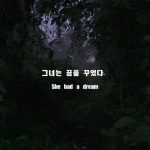
이상한 나라의 앨리스
2008년 05월 16일Related Exhibitions